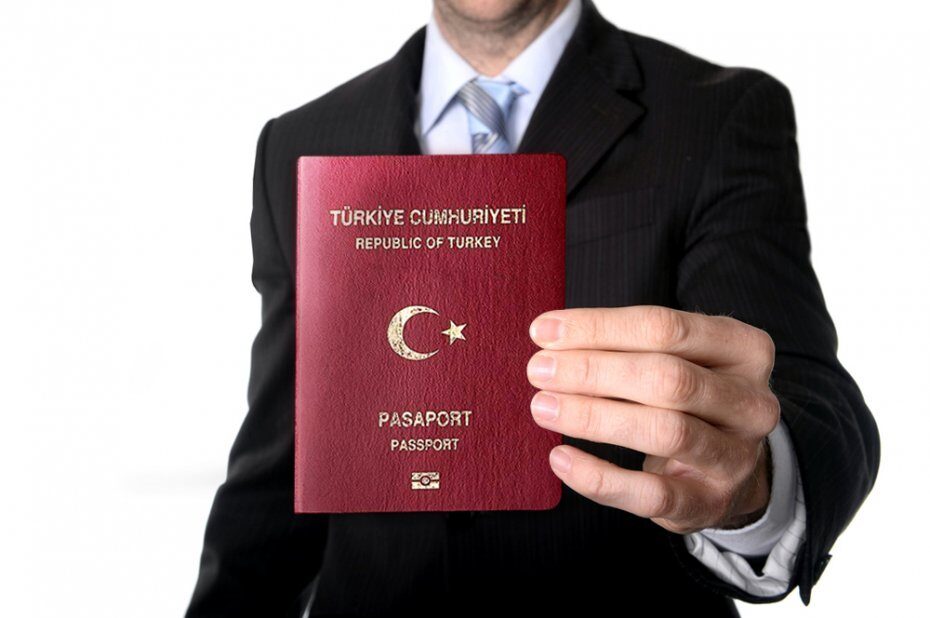

Turkish citizenship by real estate is the most popular route into the Turkish citizenship by investment programme, and the core rule is straightforward: buy property in Turkey worth at least 400,000 US dollars, hold it for three years, and you and your immediate family can apply for citizenship. As of the time this article is written, that 400,000 dollar threshold is the official minimum, the valuation is fixed by a state-licensed appraisal report, and the title deed carries a note that bars resale for three years. This guide explains how the process works, what it costs, how long it takes, and the mistakes our legal team sees most often.
What Is Turkish Citizenship by Real Estate?
Turkish citizenship by real estate is a legal route that lets a foreign national become a Turkish citizen by buying qualifying property in Turkey and keeping it for a set period. It sits inside the wider citizenship by investment framework set out in the Turkish Citizenship Law and its implementing regulation, which also allows routes through bank deposits, government bonds and fixed-capital business investment. The property route is the one most applicants choose because it pairs a tangible asset with a clear, document-driven process.
The principle is simple. You purchase one or more properties with a combined value of at least 400,000 US dollars, the value is confirmed by an official appraisal, you register the title deed (tapu) in your name, and you accept a three-year restriction on selling. Once those conditions are met, you file a citizenship application that runs in parallel with a residence permit, and the whole family named on the file is processed together. Spouses and children under eighteen are included, so a single qualifying purchase can naturalise a household.
The 400,000 Dollar Minimum: How the Threshold Works
The minimum real estate investment for Turkish citizenship is 400,000 US dollars as of the time this article is written. The figure is measured in dollars even though you pay in Turkish lira, and it is the appraised value that counts, not just the price written on the contract. A licensed valuation company, authorised by the Capital Markets Board, inspects the property and issues an appraisal report. If that report comes in below 400,000 dollars, the file will not qualify even when you paid more, so the report is the single most important document in the whole process.
You do not have to spend it all on one home. The threshold can be reached by combining several properties bought at the same time, whether residential, commercial, or land. The payment must move through the Turkish banking system so that the transfer is traceable, and in practice the amount is converted to dollars using the Central Bank rate on the day of payment. In our practice at Karanfiloglu Law Firm, the most common reason a Turkish citizenship by real estate file stalls is a valuation that sits just under the line, which is why we ask for the appraisal before any money changes hands.
Requirements for Turkish Citizenship by Real Estate
The requirements for Turkish citizenship by real estate investment fall into a short, checkable list. Meeting all of them is what turns a property purchase into a citizenship file.
- Property with a confirmed appraised value of at least 400,000 US dollars.
- A valuation report from a licensed appraisal company dated before the sale.
- Full payment made by bank transfer through Turkish banks, with receipts.
- The title deed (tapu) registered in the applicant’s name at the Land Registry (Tapu Kadastro).
- A three-year resale restriction annotated on the title deed.
- A certificate of conformity from the Ministry of Environment, Urbanisation and Climate Change confirming the investment qualifies.
- A clean record, valid passport, and biometric photos for each applicant.
The Turkish citizenship by real estate investment requirements stay the same whether you buy one home or combine several. The seller must be a Turkish citizen or a Turkish company, and the same property cannot have been used for a citizenship application by a foreign buyer before, as the rules block recycling the same asset. Knowing how to get Turkish citizenship through real estate really comes down to assembling this evidence cleanly, because the authorities decide on the paperwork, not on intentions.
How to Get Turkish Citizenship Through Real Estate, Step by Step
Getting Turkish citizenship through real estate follows a clear sequence, and each stage produces a document the next stage depends on. The Turkish citizenship real estate application steps usually run as follows.
- Get a Turkish tax number and open a bank account. These are needed before you can transfer funds or register property.
- Select and check the property. Run due diligence on the title, any mortgages, and the seller’s ownership before committing.
- Obtain the appraisal report. The licensed valuation must confirm at least 400,000 dollars before the sale is finalised.
- Pay through the banking system and complete the title transfer. The tapu is registered in your name at the Land Registry with the three-year resale note added.
- Apply for the certificate of conformity. The Ministry of Environment, Urbanisation and Climate Change confirms the investment meets the citizenship criteria.
- File the residence permit and citizenship application together. The file goes to the Directorate General of Population and Citizenship Affairs for review.
- Receive the decision and collect your identity documents. On approval, you obtain your Turkish ID and can apply for a passport.
These Turkish citizenship real estate application steps can largely be handled from abroad. A lawyer can act for you on most of them under a power of attorney, which is why many overseas buyers complete a Turkish passport through property purchase without spending months in Turkey themselves.
Timeline: From Property Purchase to Passport
The Turkish citizenship by real estate timeline usually runs around six to twelve months from the completed purchase to the citizenship decision, though it varies with the workload of the authorities and the completeness of the file. The property and appraisal stage can be finished within a few weeks once you have a tax number and a bank account. The certificate of conformity typically takes several weeks after the title transfer. The citizenship review itself is the longest stage and is where most of the waiting happens.
Clean files move faster. When the appraisal sits comfortably above the threshold, the payment trail is complete, and every applicant’s documents are translated and notarised correctly, the review tends to proceed without the back-and-forth that adds months. Missing or inconsistent paperwork is the usual cause of delay, not the merits of the investment.
Costs Beyond the Property Price
The 400,000 dollar figure is the investment, not the total spend, and a realistic budget allows for several official and professional costs on top. These figures are current as of the time this article is written and should be confirmed before you commit, because official fees change.
- Title deed fee: a percentage of the declared property value, paid at the Land Registry.
- Appraisal report: the licensed valuation that confirms the 400,000 dollar threshold.
- VAT: may apply depending on the property and the buyer’s status, and some first sales to foreigners can be exempt.
- Notary and translation: sworn translations, notarised documents, and the power of attorney.
- Application and ID fees: government charges for the residence permit, citizenship file and identity documents.
- Legal fees: professional fees for due diligence and handling the file.
Because some of these are a percentage of value rather than a flat amount, the total cost rises with the price of the property. Building this into your plan from the start avoids surprises late in the process.
Common Mistakes and How to Avoid Them
Most problems on a Turkish citizenship by real estate file are avoidable and come from rushing the early steps. The recurring ones are worth naming plainly.
Skipping due diligence on the title
Buying without checking the tapu for mortgages, liens, or zoning problems can leave you with a property that cannot be transferred cleanly. A title search at the Land Registry before payment is the cheapest insurance in the whole process.
Relying on the contract price instead of the appraisal
The appraised value, not the price you negotiated, decides eligibility. Arrange the valuation early so you are not left just under the threshold after committing funds.
Paying outside the banking system
Cash payments or transfers that cannot be traced will not satisfy the rules. Every payment needs to run through Turkish banks with receipts that match the file.
The Turkish citizenship by real estate route rewards careful preparation. Get the appraisal right, keep the payment trail clean, register the tapu properly, and the citizenship application that follows is largely a matter of complete paperwork. Turkish citizenship by real estate remains the most direct path for a family to obtain a Turkish passport through property purchase, and understanding the requirements before you buy is the best way to keep the process on track.
Talk to a Lawyer in Istanbul
If you would like advice on your own situation, Karanfiloglu Law Firm is a registered law office in Istanbul serving foreigners and Turkish clients across Turkey. You can reach us by phone or WhatsApp at +90 532 659 35 11, by email at [email protected], or visit us at Mecidiyeköy Mah. Büyükdere Cad. No:67-71, Alba İş Merkezi, Kat:8, Şişli, İstanbul. Contact us to discuss your situation.
Frequently Asked Questions
How much do I need to invest for Turkish citizenship by real estate?
You need property with an appraised value of at least 400,000 US dollars as of the time this article is written. The figure is set by a licensed valuation report, not by the contract price, and it can be reached by combining more than one property bought at the same time.
How long does Turkish citizenship by real estate take?
It usually takes around six to twelve months from the completed purchase to the citizenship decision. The property and appraisal stage is quick, while the citizenship review at the Directorate General of Population and Citizenship Affairs is the longest part and depends on how complete the file is.
Can I sell the property after I get citizenship?
You must keep the property for three years, a restriction noted directly on the title deed. Selling earlier breaches the condition the citizenship was granted under, so the three-year hold applies even after your passport is issued.
Does my family get citizenship too?
Yes, a single qualifying investment covers the main applicant, their spouse, and children under eighteen. They are all processed together on the same file, which is why the property route is popular with families.
Do I have to live in Turkey to apply?
No, there is no residence requirement for this route, and a lawyer can act for you under a power of attorney. Many buyers complete a Turkish passport through property purchase without relocating during the process.
How to get Turkish citizenship through real estate if I buy from another foreigner?
The seller must be a Turkish citizen or a Turkish company for the purchase to count toward citizenship. A property previously used for a citizenship application by a foreign buyer also cannot be reused for the same purpose.
Is the 400,000 dollars the only cost?
No, you should also budget for the title deed fee, the appraisal, possible VAT, notary and translation charges, government application fees, and legal fees. Several of these are a percentage of the property value, so they rise with the purchase price.
About the Author
Kaan Karanfiloğlu is the founder of Karanfiloglu Law Firm, an Istanbul-based registered law office serving Turkish and international clients across Turkey. He is a lawyer registered with the Istanbul Bar Association (Reg. No. 58270) and the Union of Turkish Bar Associations (No. 133074), and has practised law in Turkey since 2017. He holds an LL.B. from Galatasaray University Faculty of Law (2016) and advises clients in Turkish, English and French; the firm also serves clients in Russian and Chinese with experienced in-office translators.
Disclaimer: This article provides general information about Turkish law and is not legal advice. Laws, regulations, official fees and procedures change over time and every situation is different. For advice on your specific circumstances, please consult a qualified lawyer. No liability is accepted for any loss arising from reliance on the information in this article.